ʻIolani Palace, located in Honolulu, Hawaii, holds significant historical and cultural importance as the former royal residence of the Hawaiian monarchs. Completed in 1882 during the reign of King Kalākaua, it served as the official residence of the Hawaiian monarchy until the overthrow of the Kingdom of Hawaii in 1893.
The palace stands as an architectural gem, blending neoclassical, Italianate, and native Hawaiian architectural styles. Its design incorporated modern amenities for the time, such as electric lighting, indoor plumbing, and a telephone system, showcasing Hawaii’s embrace of technological advancements.
As the political and cultural epicenter of the kingdom, ʻIolani Palace witnessed grand royal ceremonies, diplomatic gatherings, and the pursuit of Hawaiian sovereignty. The palace served not only as a residence but also as a symbol of the kingdom’s sovereignty and the Hawaiian monarchs’ connection to their people.
After the monarchy was overthrown, the palace witnessed various uses, including serving as the Capitol of the Republic of Hawaii and later housing government offices. However, efforts to preserve the palace and its historical significance culminated in its restoration and eventual designation as a museum, allowing visitors to explore the rich history and heritage of Hawaii’s royal past.
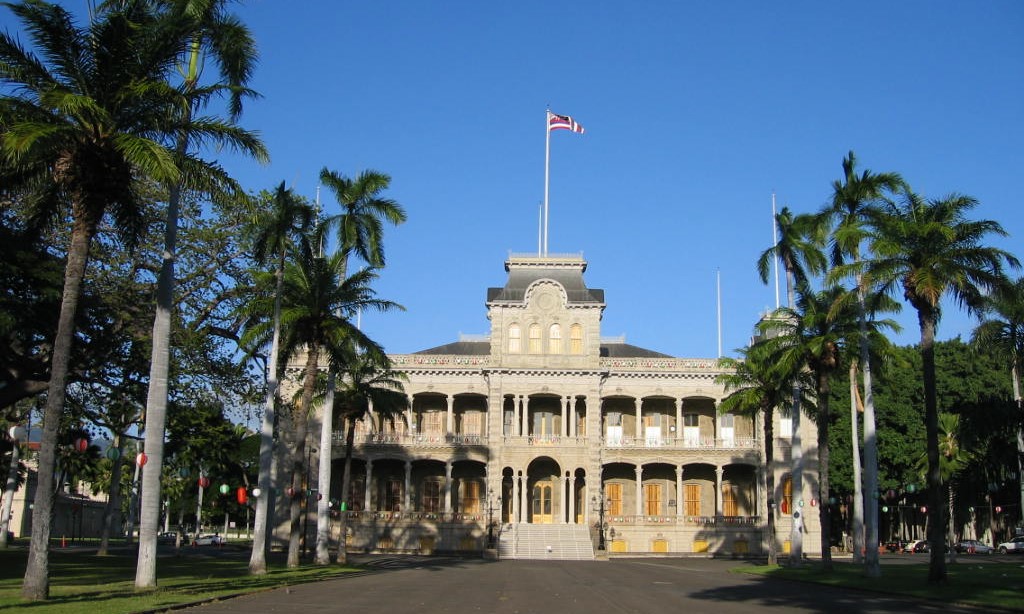
ʻIolani Palace
Let’s take a look at these 23 interesting facts about ʻIolani Palace to know more about it.
- Royal Residence: ʻIolani Palace served as the official royal residence of the Hawaiian monarchs from its completion in 1882 until the overthrow of the monarchy in 1893.
- King Kalākaua: The palace was commissioned by King David Kalākaua to showcase Hawaii’s modernization and cultural sophistication.
- Architectural Design: The palace is an architectural marvel, blending Western architectural styles with native Hawaiian influences.
- Modern Amenities: ʻIolani Palace was technologically advanced for its time, featuring amenities such as electric lighting, indoor plumbing, and telephones.
- First of Its Kind: It was the first palace in the world to have electricity, even before the White House in the United States.
- Symbol of Sovereignty: The palace served as a symbol of Hawaiian independence and the monarchy’s connection to its people.
- Coronation Site: King Kalākaua and Queen Kapiʻolani’s coronation took place at the palace in 1883.
- Music Room: The palace housed a grand music room with a piano and other musical instruments where royal concerts were held.
- Visitors from Around the World: The palace welcomed dignitaries, ambassadors, and foreign guests during the monarchy era.
- Prisoners in the Palace: Following the overthrow, Queen Liliʻuokalani was imprisoned in a room within the palace for several months.
- Capitol of the Republic: After the monarchy’s overthrow, it briefly served as the Capitol of the Republic of Hawaii.
- Restoration Efforts: Extensive restoration efforts were undertaken to preserve the palace in the 20th century.
- State Historic Site: ʻIolani Palace is now a National Historic Landmark and is listed on the National Register of Historic Places.
- Royal Tombs: The palace grounds housed the mausoleum of King Kalākaua, Queen Kapiʻolani, and other members of the Hawaiian royal family.
- Public Museum: Today, it operates as a museum, showcasing Hawaiian artifacts, regalia, and historical exhibits.
- Guided Tours: Visitors can explore the palace through guided tours, offering insights into Hawaii’s royal history and cultural heritage.
- Aliʻi Suite: The private quarters of the monarchs, known as the Aliʻi Suite, have been meticulously restored.
- Architecture Open to Public: The palace’s unique architectural features, including the Grand Hall and ornate details, are accessible for public viewing.
- Royal Guard: The palace was guarded by the Royal Guard, known as the Household Guards, during the monarchy era.
- Educational Programs: Educational programs and events at the palace aim to preserve and share Hawaii’s royal history with the public.
- Cultural Events: The palace hosts cultural events, ceremonies, and performances celebrating Hawaiian traditions.
- Film and Media: It has been featured in various films, documentaries, and media productions highlighting Hawaii’s history and culture.
- Symbol of Hawaiian Identity: ʻIolani Palace stands as a symbol of Hawaiian identity, resilience, and the rich cultural heritage of the islands.
ʻIolani Palace, with its regal façade and rich historical tapestry, stands as a testament to Hawaii’s storied past and cultural legacy. Beyond its architectural splendor, it serves as a tangible symbol of Hawaii’s sovereignty and the legacy of its royal lineage. From its days as the opulent royal residence to its transformation into a beacon of cultural preservation, the palace continues to captivate visitors with its grandeur and echoes of a bygone era. As a cherished historic landmark and museum, ʻIolani Palace offers a glimpse into the lives of Hawaiian monarchs, their struggles, triumphs, and enduring cultural heritage. Its significance transcends time, honoring the resilience and spirit of the Hawaiian people while preserving a vital chapter of Hawaii’s captivating history.


