Highwaymen were outlaws who operated across the roads and countryside of Britain, Ireland, and parts of Europe between the 16th and 19th centuries. These mounted robbers targeted travelers, mail coaches, merchants, and wealthy individuals, often choosing remote areas where law enforcement was weak. Their crimes ranged from simple robbery to elaborate ambushes, making them one of the most notorious criminal figures of early modern history.
Despite their violent activities, highwaymen became legendary characters in folklore, literature, and popular culture. Many stories portrayed them as charming, well-dressed, and even heroic figures who robbed the rich and spared the poor. In reality, most highwaymen were ordinary criminals driven by poverty, opportunity, or rebellion against harsh social systems during their time.
The rise of highway robbery was closely tied to changes in transportation. As roads improved and more people traveled between towns, opportunities for theft increased. Stagecoaches carried goods, money, and letters—making them prime targets. Some highwaymen operated alone, while others formed organized gangs that terrorized entire regions.
By the early 19th century, improved policing, better road networks, and stricter punishments led to a sharp decline in highway robbery. Although their era has long passed, the image of the masked, horseback outlaw remains a powerful symbol in stories, films, and cultural memory.
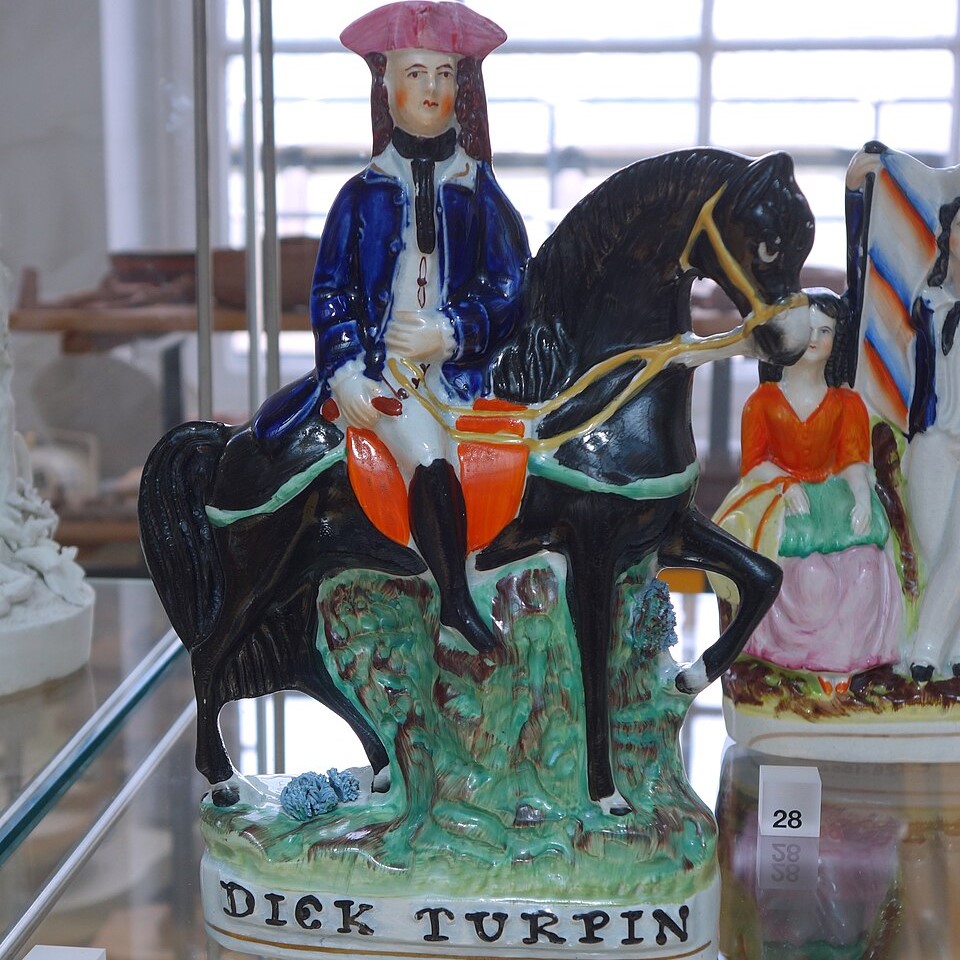
Dick Turpin, famous Highwayman
To know more about these infamous figures, it’s a good idea to look at these 32 interesting facts about highwaymen.
- Highwaymen were mounted robbers: They committed theft while on horseback, targeting travelers along major roads and rural routes.
- They operated mostly from the 1600s to early 1800s: Highway robbery peaked in Britain during this period before law enforcement and road systems improved.
- England had some of the most famous highwaymen: Many legends come from England, especially around London and along major routes like the Great North Road.
- Stagecoaches were prime targets: Coaches carried money, mail, passengers, and valuables, making them especially attractive for robbery.
- They often worked in isolated areas: Dense forests, narrow lanes, and remote highways provided ideal ambush locations with fewer witnesses.
- Disguises were common: Highwaymen wore masks, scarves, wigs, or false facial hair to hide their identities and confuse later eyewitnesses.
- Their famous phrase was “Stand and deliver!”: This command meant “Stop and hand over your valuables,” and became strongly associated with highway robbery.
- Some highwaymen carried pistols: Flintlock pistols were a typical weapon, though they were often unreliable and used more for intimidation than prolonged fighting.
- Others relied on swords: When pistols misfired or were impractical, swords or sabres were used for close encounters and threats.
- Many were former soldiers: After wars ended, some demobilized soldiers and cavalrymen turned to highway robbery, using their riding and weapon skills for crime.
- Some were surprisingly well-dressed: Fine clothing and stylish hats helped them appear respectable and intimidating, and sometimes allowed them to blend in with travelers.
- Dick Turpin is one of the most famous highwaymen: Although later stories turned him into a romantic hero, historical evidence shows he was a violent criminal.
- Claude Duval became a romantic legend: A French-born highwayman in England, he was mythologized as charming and chivalrous, especially toward women.
- Many highwaymen did not operate alone: Groups or gangs sometimes coordinated large-scale ambushes and shared information about wealthy targets.
- Women occasionally acted as highway robbers: Historical accounts and later traditions mention a few highwaywomen, some of whom reportedly disguised themselves as men.
- Some were said to target mainly the wealthy: Stories of “gentleman robbers” who robbed only rich travelers helped build their romantic image, though most robbed whoever they could.
- They usually preferred to avoid serious violence: Injuring or killing victims brought harsher investigations and punishments, so intimidation was often enough.
- Post-boys and mail carriers were frequent victims: Robbing mail coaches and riders could be highly profitable because letters often contained money or valuable documents.
- Stolen goods were sold through “fences”: Criminal intermediaries helped highwaymen turn stolen items into cash while reducing the risk of being recognized with the goods.
- Some taverns quietly supported them: Certain inns and roadside houses served as hideouts, meeting points, or places to gather information about travelers.
- Skilled horsemanship was essential: Highwaymen often rode strong, fast horses and used their riding skills to make quick escapes across rough terrain.
- Their crimes carried the death penalty: In Britain, highway robbery was a capital offense, and many convicted highwaymen were executed by hanging.
- Some were displayed in gibbets after execution: Bodies of executed highwaymen were occasionally hung in iron cages along roads as a grim warning to others.
- Irish highwaymen had their own legends: Figures such as Redmond O’Hanlon became well-known in Irish folklore as outlaw heroes or fearsome bandits.
- Robin Hood was not a highwayman: Although often compared to them, Robin Hood is a much older legendary figure associated with forests and medieval England, not early modern highways.
- Highway robbery increased on busy routes near big cities: Roads leading in and out of large centers like London offered many wealthy travelers and merchants to target.
- Improvements in roads and policing led to their decline: Better-maintained routes, growing towns, organized patrols, and changing travel patterns gradually made ambushes riskier.
- Mounted patrols helped stop them: Horse-mounted law officers and specialized patrols were introduced in some areas and were highly effective against highway robbery.
- The last major cases occurred in the early 1800s: By the mid-19th century, classic horseback highwaymen had largely disappeared from Britain.
- They remain popular in literature: Ballads, novels, and plays helped create the enduring romantic image of the masked “gentleman of the road.”
- Highwaymen appear in many films and TV shows: Historical dramas and adventure stories often feature highwaymen as daring, mysterious, or tragic characters.
- Their legend mixes myth and reality: While real highwaymen were dangerous criminals, centuries of storytelling have turned them into some of history’s most enduring outlaw figures.
Highwaymen were once feared criminals who turned the roads of Britain and Ireland into dangerous places for travelers. Their activities forced governments to strengthen law enforcement and develop better transportation networks. Although real highwaymen were far from heroic, their bold raids and dramatic escapes captured the public imagination.
Today, they survive mainly as legends, appearing in songs, literature, and media as mysterious, dashing figures from a bygone era. Exploring their history reveals the harsh realities of early modern life as well as the roots of many enduring stories in popular culture.