Gros Morne National Park, situated in Newfoundland and Labrador, Canada, is a geological wonder and a UNESCO World Heritage Site, recognized for its exceptional natural beauty and geological significance. Established in 1973, the park covers an area of approximately 1,805 square kilometers and showcases a diverse range of landscapes, from rugged coastal cliffs to lush boreal forests.
The park is renowned for the Gros Morne Mountain, a spectacular peak and the second-highest point in Newfoundland. The mountain is a prominent example of the Earth’s geological processes, displaying ancient rocks that provide valuable insights into the Earth’s history and the forces that shaped our planet over millions of years.
Gros Morne National Park features a unique geological phenomenon known as the Tablelands. Comprising exposed mantle rock, this area stands in stark contrast to the surrounding landscape, offering a glimpse into the Earth’s mantle rarely seen elsewhere. The reddish-brown, barren Tablelands make for a surreal and mesmerizing sight, captivating geologists and visitors alike.
A defining feature of the park is its fjords, particularly Western Brook Pond. Carved by glaciers during the last Ice Age, this freshwater fjord is adorned with steep cliffs that rise dramatically from the water, creating a breathtaking panorama best explored by boat tours.
The park’s rich biodiversity includes a variety of plant and animal species, some of which are endemic to Newfoundland. From coastal heathlands to subalpine habitats, Gros Morne National Park hosts a diverse array of ecosystems, making it a haven for wildlife enthusiasts and ecologists.
Visitors to Gros Morne National Park can enjoy a range of outdoor activities, including hiking, boating, wildlife viewing, and stargazing. The park’s rugged beauty and geological significance provide an unparalleled backdrop for adventure and discovery, inviting travelers to immerse themselves in the wonders of nature and the Earth’s geological heritage.

Gros Morne National Park
To know more about Gros Morne National Park, let’s take a look at these 34 interesting facts about Gros Morne National Park.
- UNESCO World Heritage Site: Gros Morne National Park was designated a UNESCO World Heritage Site in 1987, recognizing its exceptional geological features and natural beauty.
- Mantle Rock Formation: The Tablelands, a geological wonder in the park, features exposed mantle rock, offering a rare glimpse into the Earth’s mantle.
- Ancient Rocks: The park’s rocks date back over a billion years, showcasing a diverse range of geological formations.
- Glacial Activity: The fjords and valleys in Gros Morne were shaped by glaciers during the last Ice Age, about 20,000 years ago.
- Gros Morne Mountain: Gros Morne Mountain, the park’s namesake, is a challenging hiking destination and the second-highest peak in Newfoundland.
- Spectacular Coastal Scenery: The park’s coastline is characterized by towering cliffs, sea stacks, and dramatic coastal landscapes.
- Diverse Ecosystems: Gros Morne National Park is home to diverse ecosystems, including boreal forests, coastal tundra, wetlands, and barren cliffs.
- Unique Plant Species: The park hosts unique plant species, including the rare Northern pitcher plant and the alpine bistort.
- Rich Birdlife: The park is a birdwatcher’s paradise, with over 230 recorded bird species, including bald eagles, Atlantic puffins, and various seabirds.
- Western Brook Pond: This freshwater fjord is a striking feature of the park, surrounded by cliffs and accessible via boat tours.
- Tablelands Discovery: The geological significance of the Tablelands was instrumental in proving the theory of plate tectonics.
- Ancient Fossils: The park contains some of the oldest-known fossils, dating back hundreds of millions of years.
- Cultural Heritage: Gros Morne is also rich in cultural heritage, with evidence of human presence dating back 4,000 years.
- Aboriginal History: The area was historically inhabited by the Maritime Archaic Indians and later by the Beothuk people.
- Traditional Fishing Grounds: The coastline and fjords were historically significant for fishing communities and indigenous peoples.
- Glacially-carved Valleys: The park boasts deep valleys with steep cliffs, shaped by glacial activity over millennia.
- Shatter Cones: The park contains shatter cones, a rare geological feature formed during meteorite impacts.
- Marked Trails: Gros Morne National Park offers over 100 kilometers of marked hiking trails, showcasing its diverse landscapes.
- Visitor Centers: The park has several visitor centers, including the Discovery Centre and the Gros Morne Visitor Centre, providing educational exhibits and information.
- Adventure Tourism: The park offers a range of adventure activities, including kayaking, canoeing, rock climbing, and caving.
- Skiing and Snowmobiling: In winter, visitors can enjoy cross-country skiing, snowmobiling, and snowshoeing in designated areas.
- Environmental Education Programs: The park conducts educational programs, interpretive walks, and guided tours to enhance visitors’ understanding of its natural and cultural heritage.
- Preservation Efforts: Conservation initiatives are in place to protect the park’s fragile ecosystems, including measures to prevent invasive species.
- Parks Canada: The park is managed by Parks Canada, which focuses on preservation, conservation, and educating visitors about the region’s significance.
- Iceberg Alley: The park is part of “Iceberg Alley,” a region where icebergs from Greenland and the Canadian Arctic often drift southward.
- Geology Festival: The park hosts an annual Gros Morne Geology Festival, allowing visitors to explore and learn about the region’s geological wonders.
- Boreal Toad Habitat: The park provides important habitat for the endangered western toad, also known as the boreal toad.
- Long Range Mountains: Gros Morne National Park is located within the Long Range Mountains, which are part of the Appalachian Mountain chain.
- Tourism and Economy: Tourism is a significant contributor to the local economy, with visitors from around the world coming to experience the park’s natural beauty.
- Nocturnal Sky Viewing: The park offers exceptional stargazing opportunities due to its low light pollution and clear night skies.
- Historic Lighthouses: The park’s coastline features several historic lighthouses, adding to its maritime heritage.
- Filming Location: Some scenes from the movie “The Shipping News,” based on E. Annie Proulx’s novel, were filmed in Gros Morne National Park.
- Baker’s Brook Falls: The Baker’s Brook Falls trail takes visitors to a stunning waterfall, offering a rewarding hiking experience.
- Educational Programs: Gros Morne National Park conducts workshops and educational programs on geology, ecology, and cultural history, engaging visitors in interactive learning experiences.
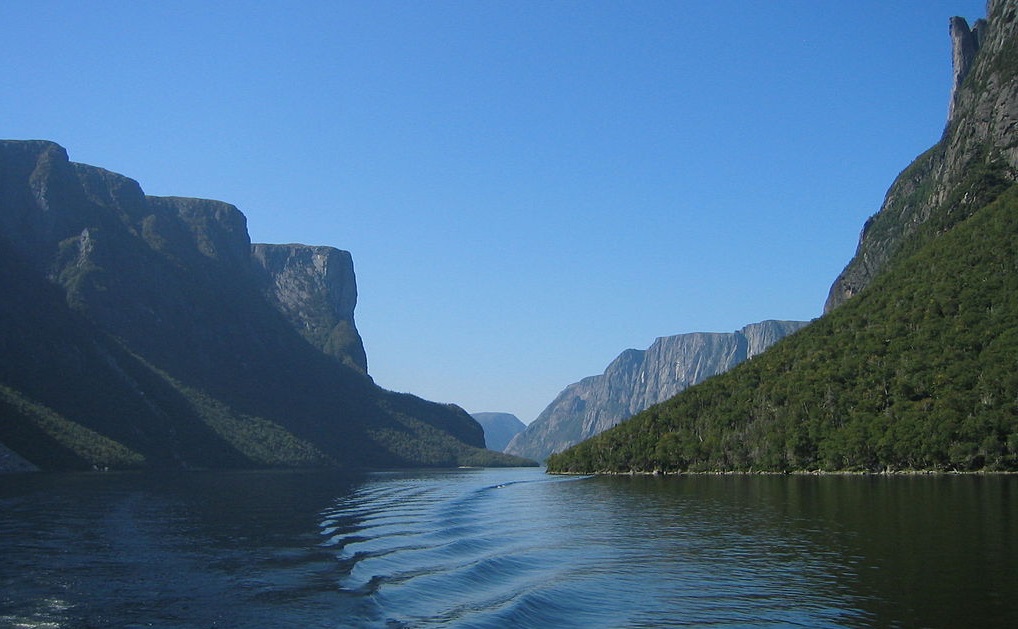
Western Brook Pond of Gros Morne National Park
Gros Morne National Park is a living testament to the Earth’s ancient geological story and an unrivaled showcase of natural beauty. Its soaring cliffs, serene fjords, lush forests, and unique geological formations tell a tale that spans millions of years. This pristine wilderness is not only a feast for the senses but also a window into the Earth’s history, where visitors can witness the artistry of nature etched in stone. As the day surrenders to the night, and the stars illuminate the vast Newfoundland sky, Gros Morne National Park whispers tales of resilience, adaptation, and the interwoven tapestry of life, encouraging us to cherish and preserve the wondrous secrets it holds.
Stepping into Gros Morne National Park is like stepping into a realm where the Earth’s geological forces and the splendors of nature converge to create an awe-inspiring spectacle. It invites us to pause, to contemplate, and to appreciate the beauty of our planet’s landscapes and the intricate processes that shaped them. More than a destination, Gros Morne is a sanctuary, a classroom, and an invitation to connect with the grandeur of our world. It stands as a reminder of the delicate balance we must maintain to ensure that this exceptional wilderness remains unspoiled, captivating generations to come with its timeless allure.