James Forten was an African American businessman, abolitionist, and philanthropist who lived from 1766 to 1842. He was born in Philadelphia, Pennsylvania, to free parents who were of mixed race. Forten’s family owned a sail-making business, and he learned the trade from a young age.
Despite facing discrimination and prejudice due to his race, Forten went on to become a successful businessman and a leading figure in the abolitionist movement. He used his wealth and influence to fight for the rights of African Americans and to support the anti-slavery cause.
Forten’s accomplishments included inventing a device to help the US Navy store sails more efficiently, establishing a school for African American children in Philadelphia, and serving as a member of the Pennsylvania Abolition Society. He also wrote essays and gave speeches advocating for the abolition of slavery and equal rights for all.
Forten’s legacy continues to inspire people today, and he is remembered as a trailblazer in the fight for civil rights. He demonstrated that African Americans could achieve great success despite facing systemic racism and oppression, and his activism paved the way for future generations of activists and leaders.
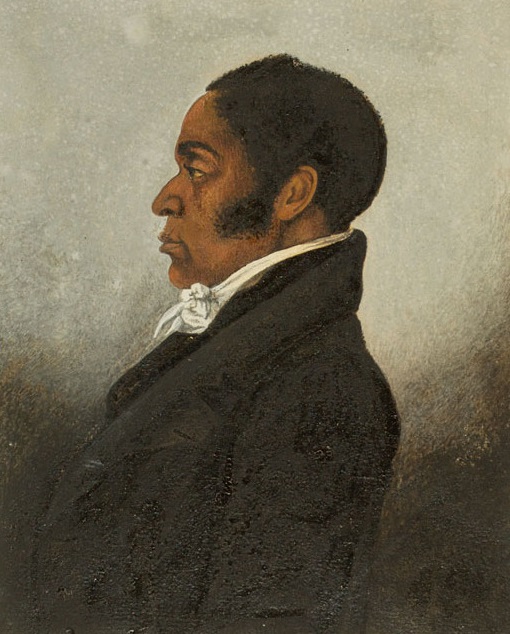
James Forten
To know more about James Forten, let’s take a look at these 40 interesting facts about James Forten.
- James Forten was born on September 2, 1766, in Philadelphia, Pennsylvania.
- His father, Thomas Forten, was a sailmaker, and his mother, Sarah, was of mixed race.
- James Forten’s parents were free African Americans, which was a rarity at the time.
- James Forten started working in his father’s sailmaking business when he was just seven years old.
- By the age of 14, he was already a skilled sailmaker and was working on ships as a crewmember.
- During the American Revolution, James Forten’s father fought on the side of the Patriots.
- When his father was captured by the British, James Forten’s mother raised money to secure his release.
- In 1781, James Forten was taken captive by the British while working on a ship.
- He was held as a prisoner of war for seven months before being released.
- While he was a captive, James Forten was treated well by the British and even offered the chance to join the British Navy.
- James Forten declined the offer and returned to Philadelphia, where he resumed working in his father’s sailmaking business.
- In 1798, James Forten invented a new device for storing sails on ships, which greatly improved the efficiency of sailmaking.
- His invention was so successful that it was adopted by the United States Navy.
- James Forten became a successful businessman and amassed a considerable fortune.
- He used his wealth to support various philanthropic causes, including education for African American children.
- In 1804, James Forten established a school for African American children in Philadelphia.
- The school was one of the first in the United States to offer education to African American children.
- James Forten was also a leading figure in the abolitionist movement.
- He was a member of the Pennsylvania Abolition Society and worked to end slavery and promote equal rights for all.
- James Forten wrote essays and gave speeches advocating for the abolition of slavery.
- He argued that slavery was not only morally wrong, but also economically inefficient.
- James Forten believed that free labor was more productive than slave labor.
- In 1813, James Forten served as a delegate to the National Convention of Free People of Color, which was held in Philadelphia.
- The convention was attended by hundreds of free African Americans from around the country.
- James Forten was one of the most influential speakers at the convention and helped to draft the convention’s resolutions.
- James Forten was a close friend of the abolitionist leader William Lloyd Garrison.
- Garrison referred to James Forten as “the richest, most cultivated and influential colored man in the United States.”
- James Forten was also a strong advocate for women’s rights.
- He supported the idea of women’s suffrage and believed that women should have the same rights as men.
- James Forten was a devout Quaker and believed in the principles of nonviolence and peaceful protest.
- He was opposed to the use of violence in the struggle for civil rights.
- James Forten was a prominent member of the Philadelphia community and was well-respected by both white and black residents.
- He was known for his kindness and generosity, and many people considered him a friend and mentor.
- James Forten was married to a woman named Charlotte Vandine, and they had nine children.
- His son, Robert Forten, was a prominent abolitionist and served in the Union Army during the Civil War.
- James Forten was a strong advocate for education and believed that it was the key to improving the lives of African Americans.
- Despite his wealth and success, James Forten faced discrimination and prejudice because of his race.
- He was often refused service in stores and restaurants and was not allowed to vote because of his skin color.
- James Forten’s activism and advocacy for civil rights inspired future generations of African American leaders and activists.
- Today, James Forten is remembered as a trailblazer in the fight for civil rights and as an example of how one person can make a significant difference in the world.
James Forten was an extraordinary individual who overcame enormous obstacles to become a successful businessman, philanthropist, and civil rights activist. He believed in the power of education and worked tirelessly to improve the lives of African Americans. His innovations in sailmaking revolutionized the industry, and his advocacy for abolition and equal rights inspired countless others. James Forten’s legacy continues to live on today as an important figure in American history and a reminder of the ongoing struggle for civil rights and social justice.