Banff National Park, located in the Canadian Rockies of Alberta, Canada, is a pristine and breathtaking natural wonder. Established in 1885, it is not only Canada’s first national park but also one of the world’s most renowned and visited national parks. Its stunning landscape is characterized by rugged mountains, crystal-clear lakes, dense forests, and abundant wildlife. The park covers an area of over 6,600 square kilometers and offers a diverse range of outdoor activities and recreational opportunities.
One of the park’s prominent features is its majestic mountains, including iconic peaks like Mount Rundle and Castle Mountain. The jagged, snow-capped mountains provide a picturesque backdrop for the numerous hiking and climbing trails that attract adventure enthusiasts from all over the globe. The hiking trails offer varying levels of difficulty, allowing visitors to explore the diverse flora and fauna while enjoying awe-inspiring vistas.
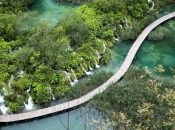
Banff National Park is also renowned for its pristine lakes such as Lake Louise and Moraine Lake. The lakes, with their striking turquoise waters, are surrounded by towering mountains, creating postcard-perfect scenery. These lakes are popular for activities like canoeing, kayaking, and simply soaking in the natural beauty.
The park is a haven for wildlife enthusiasts, offering the opportunity to witness diverse wildlife, including grizzly bears, elk, moose, and a plethora of bird species. Wildlife viewing tours and guided excursions are available for visitors who wish to safely observe and learn about the park’s inhabitants and their habitats.
In addition to its natural beauty, Banff National Park offers various recreational activities throughout the year. In the winter, the park transforms into a winter wonderland, drawing snow sports enthusiasts for activities such as skiing, snowboarding, and snowshoeing. In the warmer months, visitors can enjoy activities like camping, fishing, golfing, and scenic drives along the Icefields Parkway, a renowned highway boasting spectacular views and glaciers.

Banff National Park
If you are interested to know more about Banff National Park, it’s surely a good idea to look at these 54 interesting facts about Banff National Park.
- First Canadian National Park (1885): Banff National Park, established in 1885, holds the prestigious title of being Canada’s very first national park. Its creation marked a significant milestone in Canada’s conservation efforts, laying the foundation for the country’s dedication to preserving its natural landscapes and fostering environmental stewardship.
- Stunning Canadian Rockies Location: Nestled within the Canadian Rockies in Alberta, Banff National Park boasts a diverse and stunning landscape. Its strategic location amidst these majestic mountains provides a playground for outdoor enthusiasts and offers a wealth of recreational activities throughout the year.
- Vast Wilderness Area (6,600 Square Kilometers): Encompassing an expansive area exceeding 6,600 square kilometers (approximately 2,550 square miles), Banff National Park is a vast realm of pristine wilderness. This sizable expanse showcases the park’s commitment to preserving a considerable portion of the Canadian Rockies, ensuring the protection of its diverse ecosystems, unique geological formations, and abundant wildlife.
- Part of UNESCO World Heritage Site: Banff National Park holds the prestigious distinction of being a crucial component of the Canadian Rocky Mountain Parks UNESCO World Heritage Site. This designation underscores the exceptional natural beauty, geological significance, and biological diversity that the park contributes to the global heritage, affirming its importance on an international scale.
- Named after Banffshire, Scotland: The moniker “Banff” pays homage to Banffshire, a region in Scotland that served as the birthplace of two key individuals—George Stephen and Sir Donald Smith—who were instrumental in the inception of the Canadian Pacific Railway. The naming of the park after their homeland reflects a gesture of appreciation and acknowledgment for their influential roles in its establishment.
- Known for its Breathtaking Scenery: Banff is renowned for its breathtaking mountainous landscapes and captivating alpine lakes. The towering peaks, dramatic valleys, and crystal-clear lakes collectively paint a mesmerizing portrait of nature’s splendor, leaving visitors awe-inspired by the sheer beauty and grandeur of the park.
- Home to Over 1,000 Glaciers: Banff National Park is a realm of ice and wonder, boasting a remarkable array of glaciers numbering over 1,000. These icy giants, sculpted by time and nature’s forces, are a testament to the park’s ancient history and geological significance, providing critical insights into the Earth’s climatic past and the ongoing impacts of climate change.
- A Hub for Outdoor Adventure: Banff National Park stands as a haven for outdoor enthusiasts, offering a plethora of adventure activities year-round. From hiking and skiing to mountain biking and kayaking, the park presents a diverse range of recreational opportunities amidst its stunning natural backdrop.
- Rich Indigenous History: The Banff area has been home to Indigenous peoples, including the Stoney Nakoda, Kootenay, and Blackfoot, for thousands of years. Their deep-rooted connections to the land and its resources have significantly contributed to the region’s history and cultural heritage.
- Banff Townsite: The town of Banff, situated within the national park, serves as a central hub for visitors, offering amenities, accommodations, and a blend of cultural experiences. It’s a bustling mountain town that caters to the needs and interests of tourists exploring the park’s wonders.
- Sulphur Mountain: Sulphur Mountain, one of the prominent peaks in Banff National Park, is known for its stunning panoramic views of the surrounding Rockies. Visitors can reach the summit by hiking or taking the Banff Gondola, experiencing the breathtaking vista from the top.
- Tunnel Mountain: Tunnel Mountain, an iconic Banff landmark, is a relatively easy hike providing stunning views of the Bow Valley and the town of Banff. Despite its name, it’s not a tunnel but rather a reference to an early surveyor’s plan to create a tunnel through the mountain.
- Castle Mountain: Castle Mountain, with its distinctive castle-like shape, is a striking peak along the Trans-Canada Highway. It’s a popular spot for photography and offers hiking opportunities with mesmerizing views of the Bow River valley.
- Lake Louise: Lake Louise, famous for its turquoise waters and stunning mountainous backdrop, is a must-visit destination in Banff National Park. It offers hiking, canoeing, and awe-inspiring views of the Victoria Glacier.
- Moraine Lake: Moraine Lake is renowned for its vibrant turquoise waters, surrounded by the Valley of the Ten Peaks. It’s a postcard-perfect location and a favorite spot for photographers and hikers exploring the nearby trails.
- Peyto Lake: Peyto Lake, often referred to as the “wolf’s head” due to its shape, is known for its vibrant blue color. The lake is easily accessible and offers an elevated viewpoint for breathtaking vistas.
- Wildlife: Banff National Park is home to a diverse range of wildlife, including grizzly bears, black bears, elk, moose, bighorn sheep, and various bird species. Wildlife enthusiasts can enjoy observing these animals in their natural habitats while adhering to responsible viewing practices.
- Columbia Icefield: The Columbia Icefield, located along the Icefields Parkway, is one of the largest icefields in the Rocky Mountains. It feeds multiple glaciers and provides a unique opportunity for visitors to step onto the ice with guided tours.
- Icefields Parkway: The Icefields Parkway is a scenic highway that traverses the heart of the Canadian Rockies, connecting Jasper National Park to Banff National Park. It’s acclaimed for its stunning vistas, glaciers, and numerous viewpoints.
- Johnston Canyon: Johnston Canyon is a popular hiking destination known for its dramatic waterfalls and intriguing rock formations. The trail takes visitors through narrow limestone canyons, offering a remarkable natural spectacle.
- Sunshine Village: Sunshine Village is a renowned ski resort within Banff National Park, attracting winter sports enthusiasts with its exceptional skiing and snowboarding opportunities. It’s also a hub for summer hiking and sightseeing.
- Three Sisters: The Three Sisters are a trio of striking peaks in the Canadian Rockies, visible from various vantage points in Banff and Canmore. They are a popular subject for photographers and hikers seeking breathtaking views.
- Canadian Pacific Railway: The Canadian Pacific Railway played a significant role in the establishment and development of Banff National Park, as its construction sparked interest in the region’s natural beauty and led to the creation of the park.
- Buffalo Nations Luxton Museum: Located in Banff, the Buffalo Nations Luxton Museum provides insights into the cultural heritage and history of the Indigenous peoples of the Canadian Rockies. It offers exhibits, artifacts, and educational programs.
- Mount Assiniboine: Mount Assiniboine, often referred to as the “Matterhorn of the Rockies,” is a majestic peak in Banff National Park. It’s a favorite among mountaineers and photographers due to its stunning beauty.
- The Hoodoos: The Hoodoos, peculiar rock formations, are scattered throughout the park and can be seen from various viewpoints. These tall, thin spires are a result of erosion and provide unique geological interest.
- Skoki Lodge: Skoki Lodge, a historic backcountry lodge, offers a rustic retreat for visitors seeking an authentic mountain experience. Accessible by hiking, skiing, or snowshoeing, it provides a glimpse into Banff’s heritage.
- Fire Lookouts: Banff National Park has several historic fire lookout towers, some of which are still in use for monitoring forest fires. These towers offer stunning panoramic views of the surrounding landscapes.
- Banff Upper Hot Springs: Banff Upper Hot Springs is a popular attraction, offering natural hot springs with stunning views of the surrounding mountains. It’s a relaxing way to unwind after a day of adventure.
- Skiing and Snowboarding: Banff National Park is a premier destination for skiing and snowboarding enthusiasts. It features world-class ski resorts, including Lake Louise Ski Resort, Sunshine Village, and Norquay, offering diverse terrain for all levels.
- Fairmont Banff Springs Hotel: The Fairmont Banff Springs Hotel, often called the “Castle in the Rockies,” is a historic luxury hotel that has been an iconic symbol of Banff since 1888. It combines grandeur with stunning mountain views.
- Yoho National Park: Yoho National Park, located adjacent to Banff National Park, is another gem in the Canadian Rockies known for its stunning waterfalls, rugged mountains, and diverse ecosystems. It’s part of the Canadian Rocky Mountain Parks UNESCO World Heritage Site.
- Avalanche Safety: Given its mountainous terrain and winter sports activities, Banff National Park places a strong emphasis on avalanche safety. Visitors are encouraged to stay informed, take precautions, and follow safety guidelines.
- Banff Park Museum National Historic Site: The Banff Park Museum, a national historic site, showcases the natural history and wildlife of the Canadian Rockies. It offers a collection of over 5,000 specimens and interactive exhibits.
- Hiking Trails: Banff National Park boasts an extensive network of hiking trails catering to various skill levels. From short scenic walks to challenging backcountry hikes, there’s a trail for every adventurer.
- Conservation Efforts: Banff National Park is dedicated to conservation and sustainability, aiming to protect its natural landscapes and wildlife. Various programs and initiatives are in place to ensure responsible tourism and environmental preservation.
- Canmore: Canmore, a nearby town, is often considered a gateway to Banff National Park. It offers a mix of outdoor activities, arts, culture, and dining options, making it a popular base for visitors exploring the region.
- Ha Ling Peak: Ha Ling Peak is a prominent hiking destination offering spectacular views of Canmore and the Bow Valley. It’s a challenging but rewarding trek for hiking enthusiasts.
- International Dark Sky Park: Jasper National Park, a neighboring park to Banff, has been designated as a Dark Sky Preserve. Together with Banff, they form one of the largest contiguous dark sky preserves in the world, providing exceptional stargazing opportunities.
- Bird-Watching: Banff National Park is a haven for bird-watchers, with over 260 species of birds recorded within its boundaries. Bird-watching enthusiasts can spot a variety of avian species against the stunning backdrop of the Rockies.
- Banff Mountain Film and Book Festival: The Banff Mountain Film and Book Festival, held annually, celebrates mountain culture, adventure, and exploration. It features film screenings, book signings, and presentations by renowned adventurers and authors.
- Historic Railway Station: The Banff railway station, constructed in 1887, is a National Historic Site of Canada. It represents the historical significance of the Canadian Pacific Railway in the development of Banff and the national park.
- Cave and Basin National Historic Site: The Cave and Basin National Historic Site, located in Banff, commemorates the discovery of the thermal hot springs that played a pivotal role in the establishment of Banff National Park.
- Helicopter Tours: Helicopter tours provide a unique and exhilarating perspective of Banff National Park, offering panoramic views of the rugged mountain ranges, glaciers, and pristine wilderness.
- Rundle Mountain Range: The Rundle Mountain Range, a prominent mountain range near Banff, offers hiking and climbing opportunities with breathtaking views of the Bow Valley and surrounding peaks.
- Geological Diversity: Banff National Park showcases a wide range of geological formations, including mountains, glaciers, canyons, and fossils, providing a fascinating insight into the Earth’s geological processes over millions of years.
- Remote Backcountry Cabins: For those seeking a remote wilderness experience, Banff National Park offers backcountry cabins available for reservations. These cabins provide shelter and a unique lodging experience in the heart of the Rockies.
- Cross-Country Skiing: The park offers numerous cross-country skiing trails, allowing visitors to glide through picturesque landscapes in the winter months, immersing themselves in the serenity of the snow-covered wilderness.
- Outdoor Photography: Banff National Park is a paradise for photographers, offering a wealth of natural beauty to capture. From sunrise to sunset, the park provides endless opportunities for stunning landscape and wildlife photography.
- Canadian Wildlife Safety: Visitors to Banff National Park are advised to practice wildlife safety, including maintaining a safe distance from animals and securing food properly to minimize interactions and ensure the well-being of both visitors and wildlife.
- Festivals and Events: Throughout the year, Banff National Park hosts various festivals and events, celebrating everything from mountain culture and music to outdoor adventure and environmental awareness.
- Banff Centre for Arts and Creativity: The Banff Centre, nestled in the heart of Banff National Park, is a renowned institution fostering creativity and the arts. It hosts workshops, performances, and events promoting artistic growth and cultural enrichment.
- Banff Legacy Trail: The Banff Legacy Trail is a scenic 22-kilometer biking and walking trail that connects the town of Banff to Canmore, providing a picturesque journey through the Rockies.
- Climate Variability: Banff National Park experiences a diverse climate, with cold winters and mild summers. The weather can vary significantly depending on the season and altitude, influencing the outdoor activities and attractions available to visitors.

Moose in Banff National Park
Banff National Park is not merely a destination; it’s a living testament to the awe-inspiring beauty and resilience of nature. Its diverse landscapes, teeming with wildlife, and towering peaks offer a profound connection to the Earth’s majesty. Whether one seeks adventure on its hiking trails, serenity by its pristine lakes, or contemplation amid its ancient glaciers, Banff National Park is a sanctuary where the spirit is rejuvenated and the soul is invigorated. As one immerses in its grandeur, it becomes evident that Banff is a reminder of our responsibility to protect and preserve the natural wonders that enrich our lives and inspire us for generations to come.
In the heart of the Canadian Rockies, Banff National Park beckons both the intrepid traveler and the nature enthusiast. It is a place where the very essence of wilderness is palpable, where the whispers of ancient forests and the rush of untamed rivers remind us of the Earth’s unparalleled beauty. Banff is a refuge where we escape the confines of modernity and embrace the timeless embrace of nature. Beyond its stunning vistas and abundant flora and fauna, Banff National Park embodies a deeper truth — the need to cherish and safeguard our environment, for within these landscapes lies not only our past but our future, urging us to be conscientious stewards of this remarkable planet.