Hills are one of the most common landforms on Earth, found in nearly every region of the world. They are natural elevations of the land that rise above the surrounding terrain, but are generally lower and less steep than mountains. Hills can form in many different ways, from geological forces deep within the Earth to surface processes like erosion.
People have lived near and on hills for thousands of years, using them for shelter, farming, defense, and scenic viewpoints. Hills often host unique ecosystems where plants and animals adapt to the terrain, creating diverse landscapes that are important for the environment.
Many hills hold cultural and historical significance. In ancient times, people built temples, villages, and fortresses on hilltops for protection and to stay above dangerous floods. Today, hills are popular places for hiking, sightseeing, and outdoor recreation.
Understanding hills helps us better appreciate the dynamic forces that shape the Earth and the role these landforms play in ecosystems, history, and daily life.
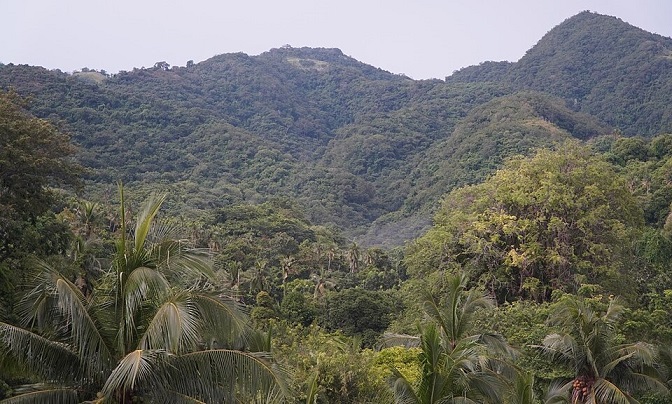
Hills
To know more about this natural landform, it’s a good idea to look at these 34 interesting facts about hills.
- Hills are lower than mountains: They are raised areas of land but usually not as tall or steep as mountains.
- There is no strict height limit for hills: The distinction between hills and mountains often depends on local definitions and geography.
- Hills can form from tectonic activity: Movements of the Earth’s crust can push up land to create hills.
- Some hills form through erosion: Wind, rain, and rivers wear away softer rocks, leaving higher land standing above the surroundings.
- Volcanic hills exist too: Smaller volcanic activities or ancient lava flows can build hills over time.
- Drumlins are glacier-made hills: These smooth, oval-shaped hills form beneath moving glaciers.
- Moraines are hills made of debris: Rocks and soil dropped by glaciers can accumulate into hilly ridges.
- Coastal hills rise near the sea: Some hills form along shorelines where land meets the ocean.
- Hills support diverse habitats: The variation in elevation creates different microclimates and plant communities.
- Farming often happens on hills: Terracing allows farmers to grow crops on hilly slopes.
- Hills can influence weather: Air rises over hills, creating more rain on the windward side and drier conditions on the other side.
- Hilltops are strategic locations: Ancient forts were built on hills to watch and defend surrounding lands.
- Many cities are built on hills: Places like Rome and San Francisco are famous for their hilly terrain.
- Some hills are considered sacred: Many religions and cultures regard hilltops as spiritually important places.
- Famous landmarks sit on hills: Castles, monuments, and temples often stand atop hills for visibility and protection.
- Grass-covered hills are common: In many regions, grazing animals maintain grassy slopes.
- Forested hills provide resources: Trees on hills supply timber, wildlife habitat, and erosion control.
- Rolling hills create scenic landscapes: These gently rising and falling landforms are popular in countryside tourism.
- Higher elevation protects from flooding: Settlements built on hills are less likely to be directly affected by rising water during floods.
- Hills appear on every continent: From Europe’s countryside to African savannas, hills are widespread.
- Some islands are actually hills: When surrounding land erodes or sea levels rise, hilltops can become islands.
- Hills form natural boundaries: Regions and territories are sometimes divided by ridges and high ground.
- Rocky hills expose Earth’s history: Layers of stone in hills help geologists study ancient environments.
- Many animals thrive on hills: Goats, sheep, and certain birds are well adapted to rugged terrain.
- Human trails often follow hills: Paths wind around or over hills, connecting communities and scenic points.
- Recreation on hills is popular: Hiking, cycling, and paragliding are common hill activities.
- Hills affect river flow: Rivers bend around high ground, shaping valleys and landscapes over time.
- Mining occurs in some hills: Valuable minerals are sometimes found beneath hilly areas.
- Man-made hills exist: Earthwork mounds and landscaped hills can be built for parks or architecture.
- Sound travels differently on hills: Hills can block, reflect, or channel sound depending on shape and height.
- Soil erosion is a challenge: Without vegetation, rainfall can wash soil from steep hillsides.
- Hills contribute to tourism: Famous hilly regions attract visitors for views and relaxation.
- Hill names vary by region: In some places they are called downs, knolls, fells, or buttes depending on local language.
- Hills shape cultural identity: Many communities are defined by the hilly landscapes around them.
Hills are beautiful and important landforms that influence climate, ecosystems, and human history. Their unique shapes and elevations make them fascinating features of the natural world.
From peaceful rolling slopes to rugged rocky rises, hills provide places to explore, enjoy scenic views, and connect with nature. Their presence enriches landscapes across the globe and plays a vital role in Earth’s geography.


