Chemistry

23 Interesting Facts about Isopropyl Alcohol

Isopropyl alcohol 3D balls

Isopropyl alcohol, commonly known as rubbing alcohol or isopropanol, is a versatile chemical compound widely used for various purposes owing to its antiseptic, solvent, and cleaning properties. It’s a colorless, flammable liquid with a strong odor, and its molecular formula is C3H8O. One of the primary uses of isopropyl alcohol…
Read more

29 Interesting Facts about Isoleucine

Isoleucin structure

Isoleucine is an essential amino acid, one of the nine amino acids that the human body cannot produce on its own and must acquire through diet. It plays a crucial role in various physiological functions, serving as a building block for proteins and contributing to overall health and well-being. As…
Read more

21 Interesting Facts about Isobutane

Isobutane 3D balls

Isobutane, also known as methylpropane, is a colorless and odorless gas belonging to the alkane family. It’s a branched-chain isomer of butane, sharing its chemical formula C4H10 but differing in structure, which affects its properties and applications. One distinct characteristic of isobutane is its branching structure. Unlike normal butane, which…
Read more

21 Interesting Facts about Iron Oxide

Hematite

Iron oxide refers to a group of chemical compounds composed of iron and oxygen. It exists in various forms, each with distinct properties and applications. The most common types of iron oxide include hematite (Fe2O3), magnetite (Fe3O4), and rust, which is primarily hydrated iron(III) oxide. Hematite, known for its reddish-brown…
Read more

25 Interesting Facts about Iron Element

Iron ore mining

Iron is a crucial chemical element with the atomic number 26 and symbol Fe on the periodic table. It’s one of the most abundant elements on Earth and plays a fundamental role in various biological processes and industries. Iron is integral to hemoglobin, the protein in red blood cells responsible…
Read more

26 Interesting Facts about Iridium

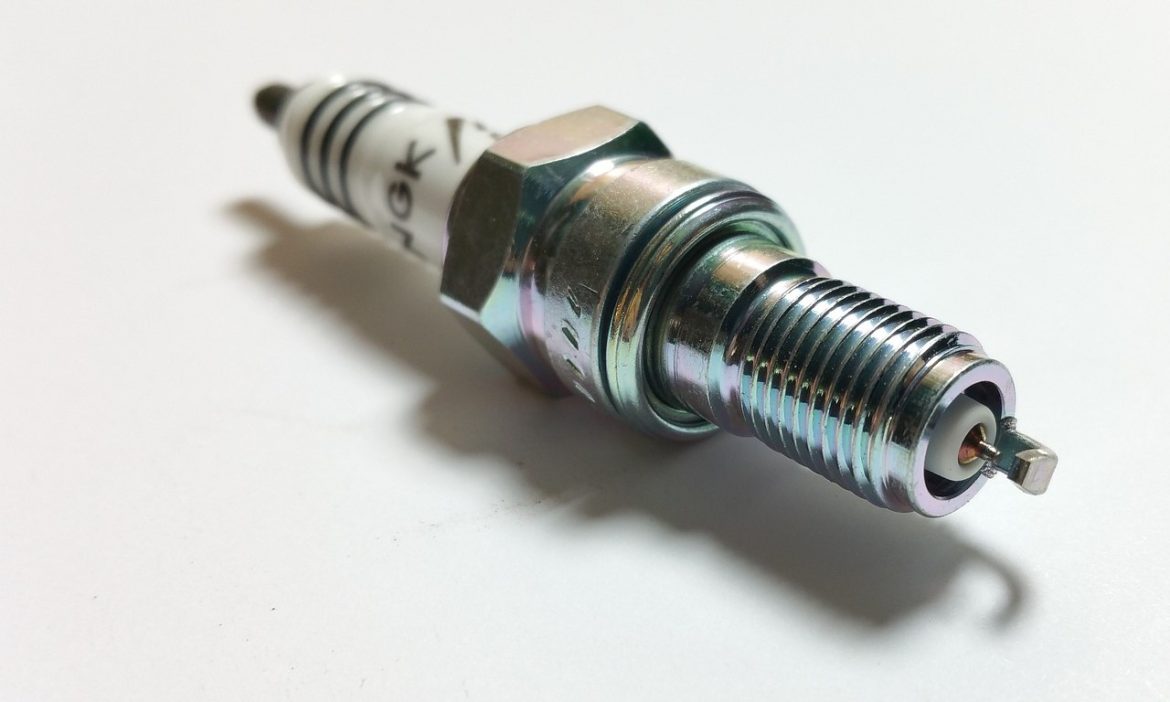
Spark plug with Iridium

Iridium, an element with the atomic number 77, belongs to the platinum group metals and holds the distinction of being one of the rarest elements on Earth. Discovered in 1803 by English chemist Smithson Tennant, iridium derives its name from the Latin word “iris,” meaning rainbow, owing to the various…
Read more

16 Interesting Facts about Irène Joliot-Curie

Irène and Frédéric Joliot Curie

Irène Joliot-Curie was a remarkable scientist, born in Paris, France in 1897, who followed in the footsteps of her renowned parents, Marie and Pierre Curie, both Nobel Prize laureates. Irène, along with her husband Frédéric Joliot, made significant contributions to science, particularly in the field of nuclear physics and radioactivity….
Read more

30 Interesting Facts about Ions

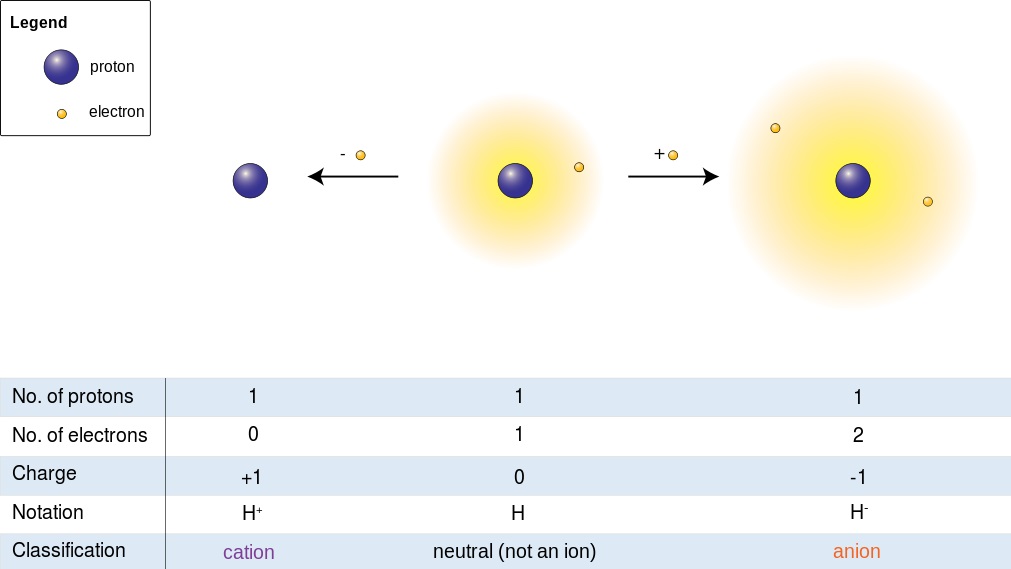
Ions

Ions are charged particles formed when atoms or molecules gain or lose electrons, altering their electrical charge. These charged entities play pivotal roles in various natural and synthetic processes, influencing chemical reactions, biological functions, and technological applications. Atoms typically possess an equal number of protons and electrons, resulting in a…
Read more

24 Interesting Facts about Ionization Energy

Ionization energy in periodic table

Ionization energy is a fundamental concept in chemistry, representing the energy required to remove an electron from an atom or ion in its gaseous state. This process results in the formation of a positively charged ion. Understanding ionization energy provides insights into atomic structure, chemical reactivity, and the behavior of…
Read more

29 Interesting Facts about Ionic Compounds

Sodium chloride, an example of Ionic Compound

Ionic compounds represent a crucial class of chemical compounds formed by the combination of positively charged ions (cations) and negatively charged ions (anions). These compounds are characterized by their distinct electrostatic interactions and are typically composed of a metal and a non-metal element. The formation of ionic compounds occurs through…
Read more